live
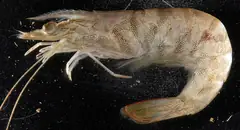 Live shrimp
- Mud minnows (killifish)
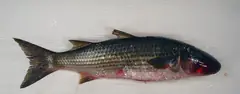 Finger mullet
Know your target
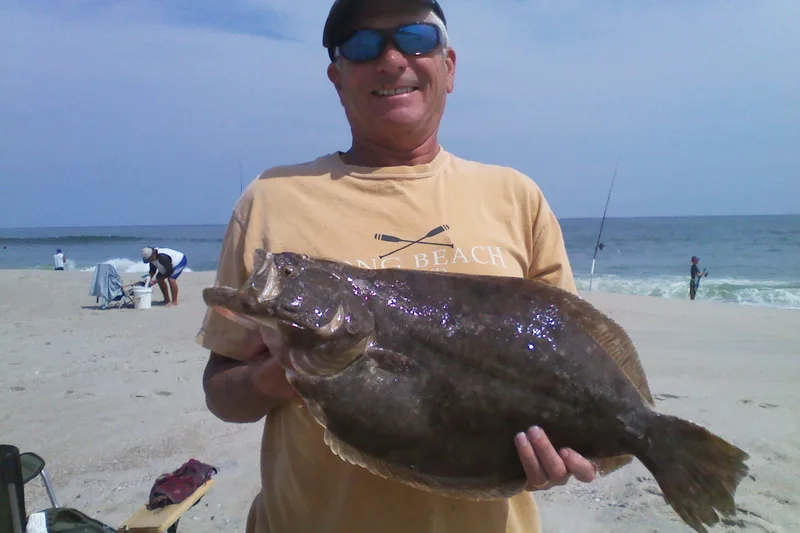
Flounder lie on sandy or muddy Tampa Bay bottom and ambush prey moving past grass, rocks and pass edges. Slow bottom presentations are practical from shore, with fall into early winter the main window for fish moving toward Gulf passes.
Also known as: Southern flounder, Gulf flounder
Harvest status today: Closed (as of Oct 26, 2026)
Biting, but catch-and-release only until Dec 1
Get Tampa Bay access, tides and red tide in your free Friday Shore Report.
We only use your email for the newsletter. Privacy policy.
| Season | Closed Oct. 15 through Nov. 30 each year; open Dec. 1 to Oct. 14 |
|---|---|
| Slot/size limit | Minimum 14" total length |
| Bag limit | 5 per person per day |
| Special rules | Applies to Gulf, southern, summer and fringed flounder No multiple hooks with live or dead natural bait for harvest; snatching prohibited |
Source: FWC: Flounder · Checked Oct 2026
“Checked” is the dataset reference date.
Regulations change; always confirm with FWC.
Best months and baits are general guidance, not official.
Swipe or scroll the table to see all months. General guidance: 0 = Rare, 1 = Fair, 2 = Good, 3 = Peak. Current month: Oct. Harvest status as of 2026-10-26 (America/New_York), at build time.
| Species | Jan | Feb | Mar | Apr | May | Jun | Jul | Aug | Sep | OctThis month | Nov | Dec |
|---|---|---|---|---|---|---|---|---|---|---|---|---|
| Flounder | Good | Fair | Fair | Good | Good | Good | Good | Good | Peak | Peak | Peak | Peak |
Best months and baits are general guidance, not official.
Live shrimpFinger mulletNarrow mullet strips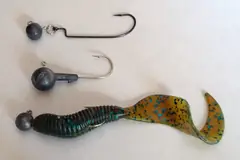 3 inch scented jerk shad on a 1/4 oz jighead1/4 oz bucktail jig
General guidance; adapt tackle to conditions and follow current rules.
Habitat suggestions, subject to access. Check each spot's status before going.
Which Tampa Bay piers and shore spots are open, plus tides and red tide, every Friday. Free.
We only use your email for the newsletter. Privacy policy.
No spam. Unsubscribe anytime.